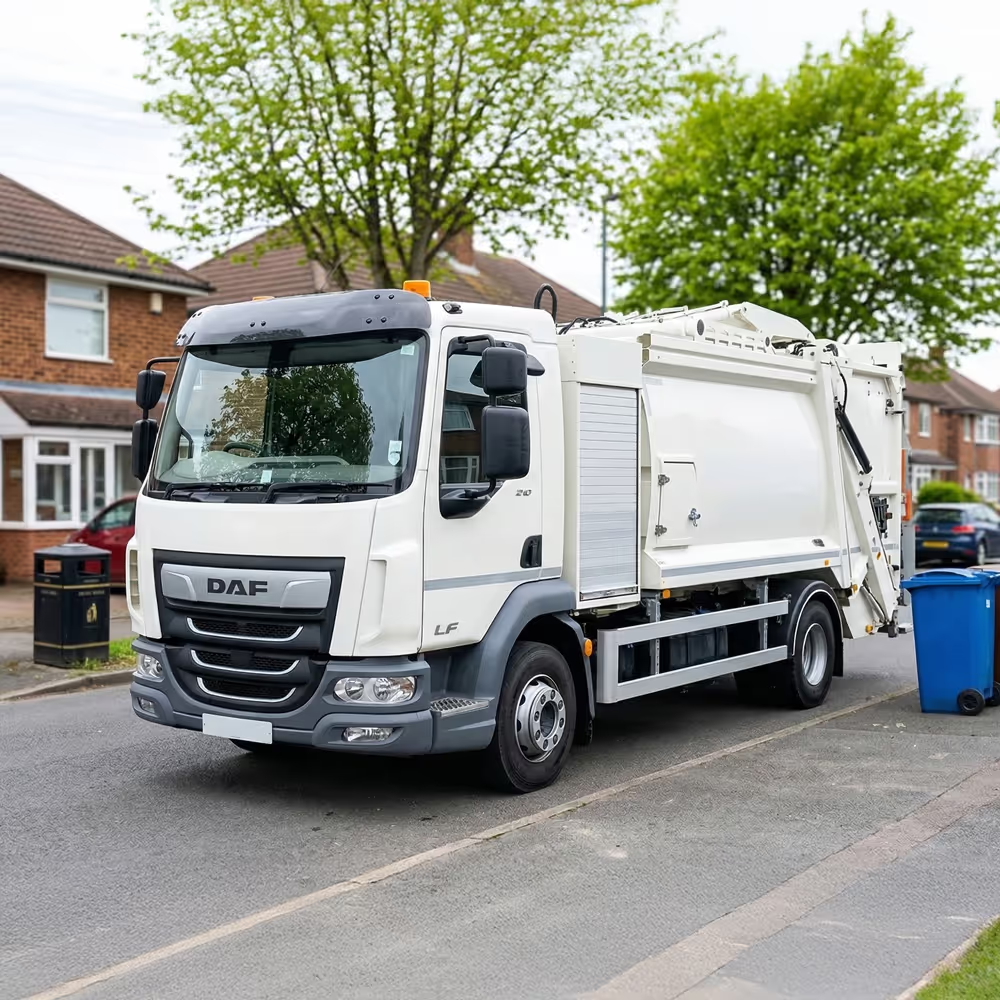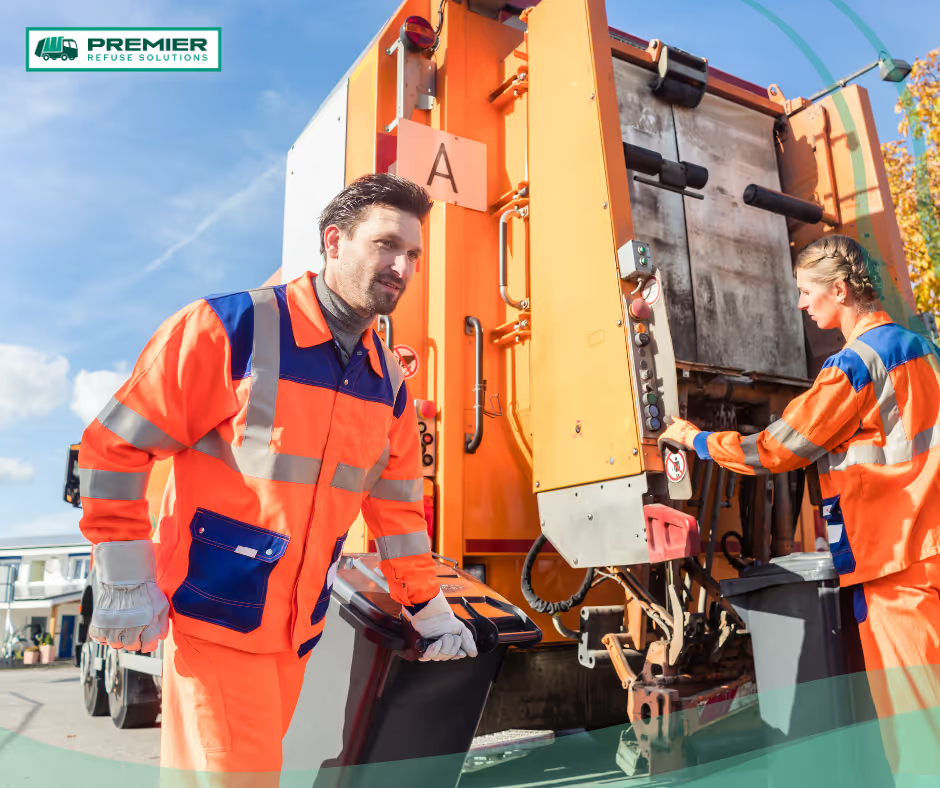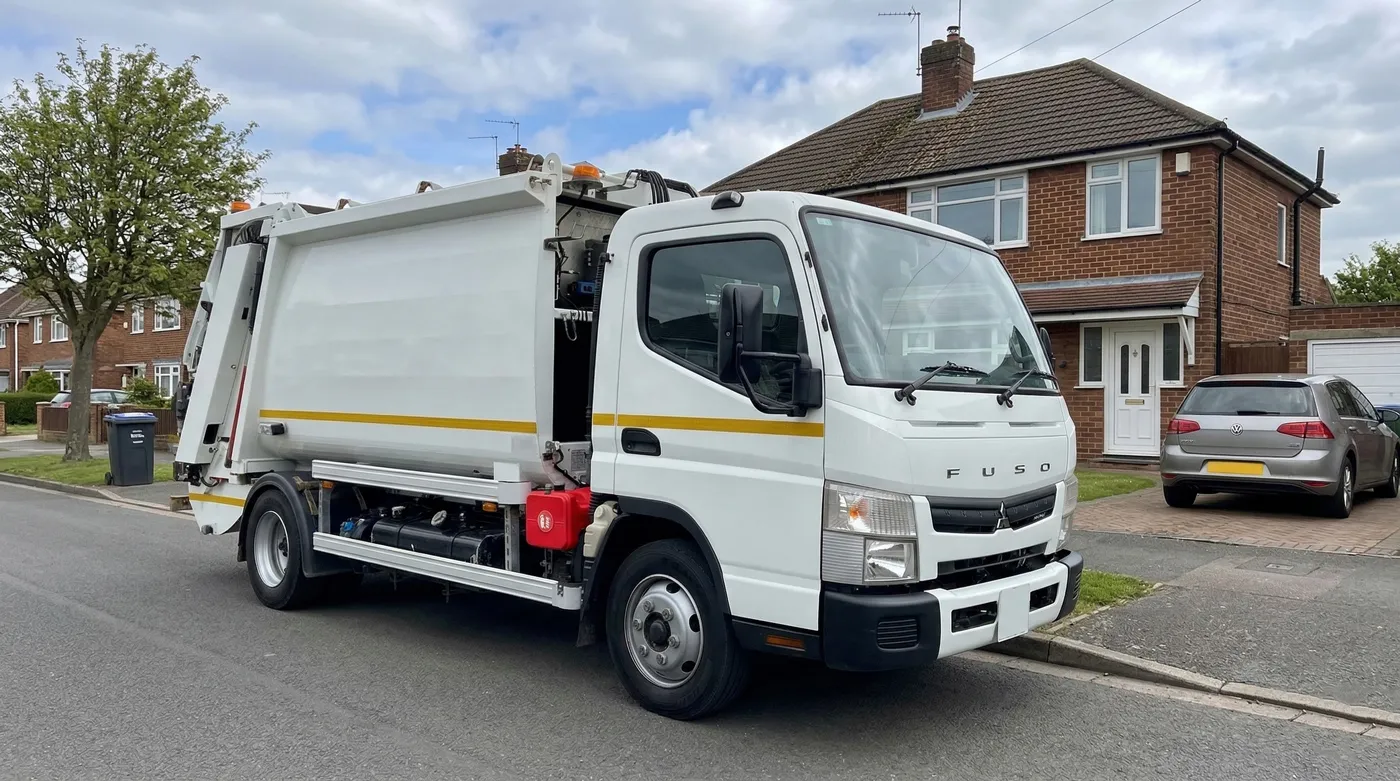
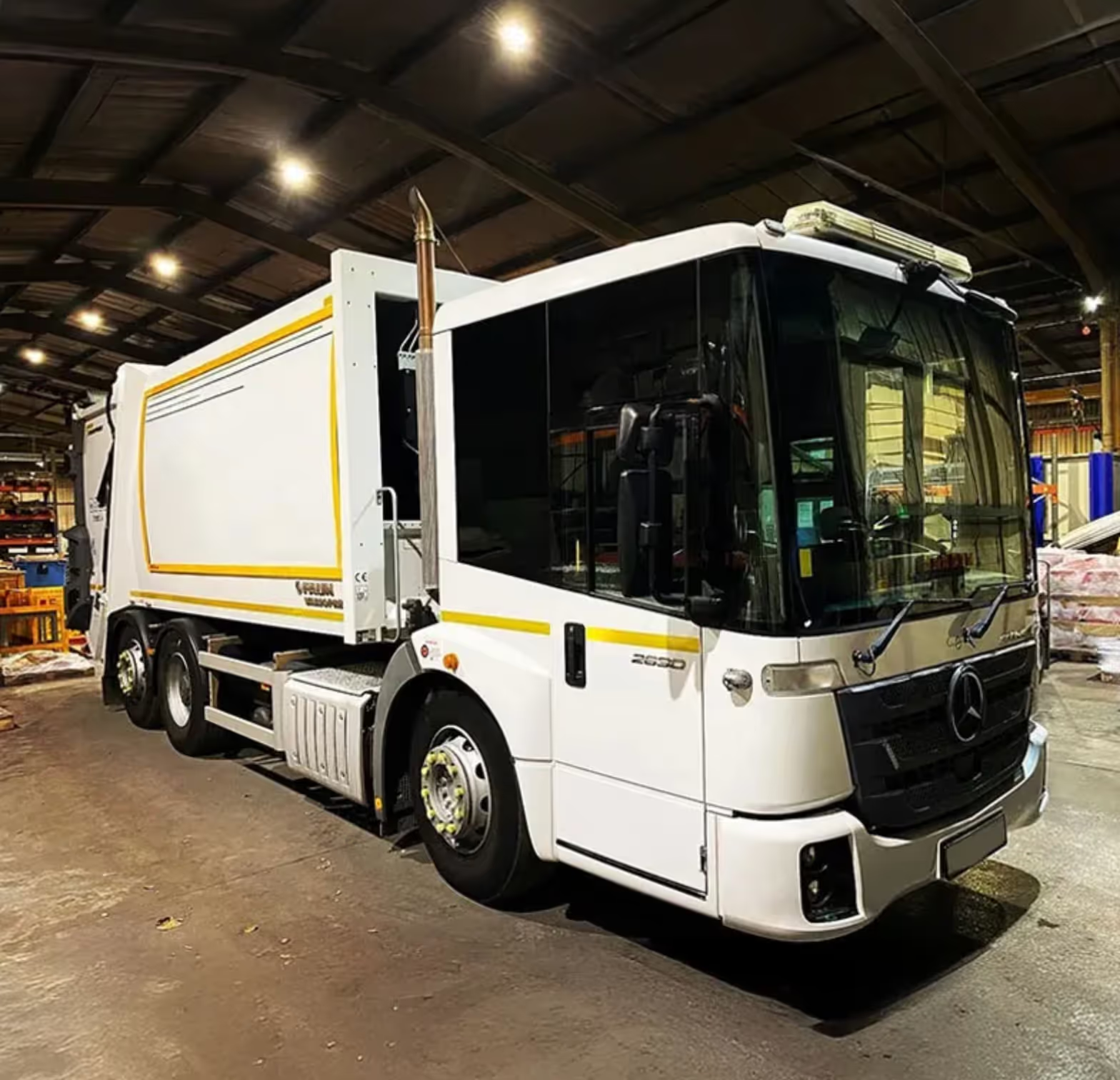
Across the UK, refuse collection vehicles (RCVs) are available with a range of engine options, each designed to meet specific operational demands. From navigating narrow town centres to covering extended rural collection routes, understanding how each engine type performs is key to making the right decisions for your fleet.
We take a look at the main engine types used in UK waste collection vehicles, including;
- Diesel Engines
- Hybrid Engines
- Electric Engines
- Natural Gas / Biomethane Engines
- Petrol / LPG Engines
- Methane Engines
Let’s look at their purpose and whether they’re a right fit for your business needs.
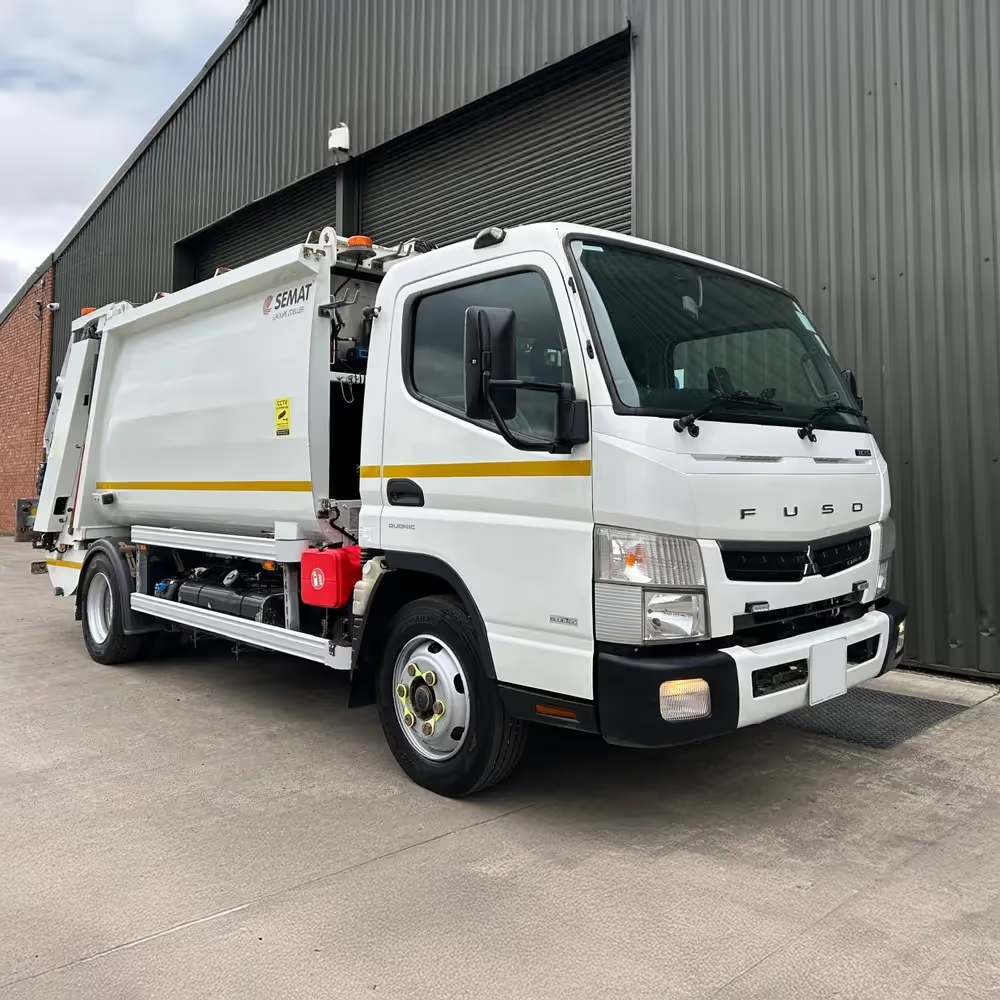
Diesel Engines for Your Refuse Vehicle Fleet
Diesel engines have long been the backbone of waste collection vehicles, and for good reason. Reliable, powerful, and capable of handling heavy loads, they remain the go-to choice for many fleet managers across the UK.
What is their Purpose?
- Best suited for long routes and heavy loads.
- Ideal for areas where alternative fuel infrastructure is limited.
- Used commonly in conventional rear-loading, side-loading, and front-loading vehicles.
-
Examples of Diesel-Powered Waste Collection Vehicles:
- Mercedes-Benz Econic
- Volvo FL and FE Series
- Scania P Series
- Iveco Eurocargo
Is Diesel the Right Engine for Your Business?
Diesel engines are a strong choice if your collection routes are long and involve heavy loads, or if you operate in areas where the infrastructure for alternative fuels isn’t well established. They provide the muscle and efficiency needed for demanding tasks, but they do come with environmental considerations that might influence your choice, especially in city settings.
However, the UK government is actively encouraging a shift away from diesel-powered waste collection vehicles to zero-emission alternatives, particularly in urban areas where air quality is a pressing concern. With initiatives like the Zero Emission Fleets: Local Authority Toolkit, councils are supported in transitioning to electric refuse collection vehicles, but more on them later.
Next up, we’ll explore other engine types that are shaking up the waste collection world, including electric and hybrid options that might be a better fit for your operational needs and environmental goals.
Hybrid Engines for Your Refuse Vehicle Fleet
Hybrid engines combine a conventional diesel engine with an electric motor and battery system. They offer a compelling blend of reduced emissions and reliable performance, making them an increasingly popular choice for waste collection vehicles.
What is their Purpose?
- Reduce fuel consumption and emissions.
- Allow for silent operation in residential areas.
- Suitable for urban environments with frequent stops.
Features of Hybrid Waste Collection Vehicles:
- Can operate key functions without the engine running, which is perfect for quieter collections.
- Charge batteries on-the-go via an alternator or through plug-in charging, offering flexible charging solutions.
Is Hybrid the Right Engine for Your Business?
Hybrid engines are well-suited for urban waste collection, especially in areas where reducing emissions and noise is a priority. They strike a balance between diesel’s power and electric’s environmental benefits, making them an excellent choice for forward-thinking fleet managers who want to reduce their carbon footprint while maintaining flexibility and performance.
For fleets not yet ready to commit fully to electric, hybrids also provide a practical stepping stone. They offer reduced fuel consumption and emissions compared to traditional diesel vehicles, while still delivering the range and reliability needed for longer or more demanding routes.
This makes them a versatile option for operators seeking to modernise gradually without the immediate need for extensive charging infrastructure.
We’ve taken a look at diesel and hybrid engines, so let’s now take a look at fully electric engines, which are at the forefront of innovation in waste collection vehicles.

Electric Engines for Your Refuse Vehicle Fleet
Fully electric waste collection vehicles are becoming increasingly popular in the UK, especially in cities that have stringent emissions regulations. These vehicles represent the next step in clean energy adoption, offering zero emissions and a quieter, more eco-friendly solution for waste collection.
What is their Purpose?
- Zero emissions during operation, helping meet environmental targets.
- Ideal for urban areas with strict emission regulations.
- Quiet operation for early morning or late-night collections, minimising disturbances.
Considerations for Electric Waste Collection Vehicles:
- Limited range compared to diesel vehicles, which can be a challenge for longer routes.
- Require dedicated charging infrastructure, which may be an investment hurdle for some fleets.
Is Electric the Right Engine for Your Business?
Electric engines are perfect for fleet managers committed to sustainability and operating primarily in urban areas with access to charging infrastructure. While they come with some limitations in terms of range and upfront costs, the environmental benefits and reduced noise make them an excellent long-term investment, particularly as emission regulations tighten.
Now that we’ve taken a look at the three major engines; diesel, hybrid and full- electric, let’s take a look at alternative engine types, starting with natural gas and biomethane engines.
Natural Gas / Biomethane Engines for Your Refuse Vehicle Fleet
Natural gas and biomethane engines run on compressed natural gas (CNG) or biomethane, providing a cleaner alternative to diesel and hybrid options. They offer a balance of reduced emissions and performance, making them an appealing option for certain fleet managers.
What is their Purpose?
- Lower emissions compared to diesel.
- Reduced noise levels for quieter operation.
- Suitable for areas with available gas infrastructure.
Examples of Natural Gas / Biomethane Waste Collection Vehicles:
- Mercedes-Benz Econic with gas engine.
- Scania with 9-litre Euro 6 compliant dedicated spark ignition CNG engine.
Is Natural Gas / Biomethane the Right Engine for Your Business?
Natural gas and biomethane engines are a good fit for fleet managers looking to reduce emissions while maintaining strong performance capabilities. If your operations are based in areas with accessible gas infrastructure, these engines can offer a reliable and cost-effective solution, particularly when paired with a commitment to sustainability.
What are they designed for?
- Lower CO₂ and NOx emissions
- Reduced noise compared to diesel
- Fleets with access to gas refuelling infrastructure
Common gas-powered refuse vehicles include:
- Mercedes-Benz Econic gas variants
- Scania Euro 6 dedicated CNG engines
Are gas engines right for you?
Gas and biomethane engines are a solid choice for operators focused on emissions reduction but not ready to move fully electric. If you have access to gas infrastructure, they can deliver strong environmental gains with familiar operational characteristics.
Next up, we’ll take a look at Petrol and LPG engines.

Petrol / LPG Engines for Your Refuse Vehicle Fleet
Petrol and Liquefied Petroleum Gas (LPG) engines are another alternative for waste collection vehicles. These engines provide a compromise between emissions reduction and infrastructure availability, making them suitable for certain operational needs.
What is their Purpose?
- Alternative to diesel for reduced emissions.
- Suitable for areas with LPG infrastructure.
Is Petrol / LPG the Right Engine for Your Business?
Petrol and LPG engines are an option for fleet managers seeking to move away from diesel while maintaining access to widespread fuel infrastructure. They are suitable for lighter operational needs and in areas where LPG infrastructure is established, but they may fall short when it comes to handling the heaviest loads or achieving maximum fuel efficiency.
Now you know about natural gas engines and petrol engines, let’s take a look at methane-run engines.
Methane Engines for Your Refuse Vehicle Fleet
Methane engines are similar to natural gas engines but specifically run on methane fuel, often derived from biogas. They are becoming a popular option for fleet managers seeking a more sustainable solution.
What is their Purpose?
- Reduced emissions.
- Can utilise biogas from waste processing facilities.
Is Methane the Right Engine for Your Business?
Methane engines are ideal for fleet managers looking for an alternative fuel that is both cost-effective and environmentally friendly, especially if there is access to biogas from waste processing facilities.
Methane-powered vehicles are particularly attractive for operators with access to biogas facilities. They offer strong sustainability credentials and can significantly reduce carbon impact when deployed correctly.
Choose the Right Engine for Your Refuse Vehicle Fleet
Your choice of engine type for waste collection vehicles in the UK depends on various factors, including route characteristics, local environmental regulations, available infrastructure, and operational requirements. While diesel engines remain prevalent, there’s a growing trend towards more environmentally friendly options like hybrid, electric, and alternative fuel engines, especially in urban areas focusing on reducing emissions and noise pollution.
Selecting the right engine for your waste collection fleet means considering not only the operational demands but also the impact on the community and the environment. By understanding the strengths and weaknesses of each engine type, you can make a well-informed decision that supports your business goals, aligns with regulatory requirements, and contributes to a cleaner, quieter future for waste management.
There is no single “best” engine type for every waste collection operation.
The right choice depends on:
- Route length and geography
- Payload requirements
- Local emissions regulations
- Fuel and charging infrastructure
- Long-term sustainability goals
Diesel remains common, but hybrid, electric, and alternative fuel vehicles are rapidly gaining ground, especially in urban environments.
Get the Right Vehicle with Premier Refuse Solutions
At Premier Refuse Solutions, we don’t push one engine type over another. Our role is to understand your operation, assess your routes, and help you select the right refuse vehicle for your real-world needs, not just what looks good on paper.
We work closely with operators, suppliers, and manufacturers to ensure every vehicle recommendation is practical, compliant, and future-ready.
If you’re reviewing your fleet, planning upgrades, or exploring alternative fuel options, speak to a team that understands refuse vehicles inside and out.
Premier Refuse Solutions – trusted by waste operators across the UK.